Somewhere in your business there is a spreadsheet with two columns in it. One says offshore, one says local, and the local column has been losing that argument since roughly 2003. It has taken the loss well, all things considered. The interesting thing about 2026 is not that the argument has reversed — it has not — but that the spreadsheet quietly stopped being the right tool for settling it, and nobody sent an email about it.
[Puts down the landed-cost model. Adopts serious face.] Australian manufacturers are moving plastic injection moulding programs back to Melbourne, and almost none of them are doing it out of patriotism. Nobody has ever chosen a moulder because of the flag. They are doing it because the total cost of a part turned out to include several things the unit price never mentioned: freight that will not hold still, inventory bought months before it earns a cent, tooling sitting on somebody else’s floor in a building you have seen only as a JPEG, and a two-week round trip every single time an engineer changes a radius by 0.4 mm.
This guide works through the comparison the way a procurement team actually has to run it — including the cases where offshore still wins outright, because there are several, and pretending otherwise is how you lose a reader in the first screen. We are a Melbourne moulder. We will still tell you when the answer is “leave it where it is”.
The short version
- Unit price is not the decision. Landed cost, working capital and the cost of change are — and exactly one of those three appears on a quote.
- Volatility is the real argument, not price. A local moulder rarely wins on cents per part. It wins on the width of the error bars.
- Distance is most expensive during development. The gap is widest on a part still changing and narrowest on one that has not moved since the Rudd government.
- Automation is why local got competitive again. Wages matter much less on a line where the machine does most of the shift and takes none of the breaks.
- Offshore still wins on mature, cost-dominant, high-volume parts — and the right answer for most manufacturers is a split, not a side.
What this covers
- Unit price versus landed cost: the number everyone quotes and the number everyone pays
- What actually changed, and what stubbornly did not
- Lead time, working capital and the cost of buying early
- Who owns the tool?
- Engineering change: the cost of distance nobody quotes
- Quality, compliance and the cost of a bad batch
- How local plastic manufacturing in Australia got competitive again
- When offshore is still the right call
- The comparison, factor by factor
- The dual-source model most manufacturers land on
- How to run the comparison properly
- Choosing an injection moulding supplier in Melbourne
- Frequently asked questions
Unit price versus landed cost: the number everyone quotes and the number everyone pays
The offshore quote is a beautiful document. It is a single number, it is smaller than the local number, and it fits in an email without scrolling. It is the manufacturing equivalent of a holiday photograph: technically accurate, and leaving out the airport.
Landed cost is the honest comparison, and it is the one that decides whether local plastic manufacturing in Australia stacks up for your part. The components are not exotic. They are just scattered across four departments’ budgets, which is precisely why they never end up in the same spreadsheet — each one is somebody else’s problem, right up until it is everybody’s:
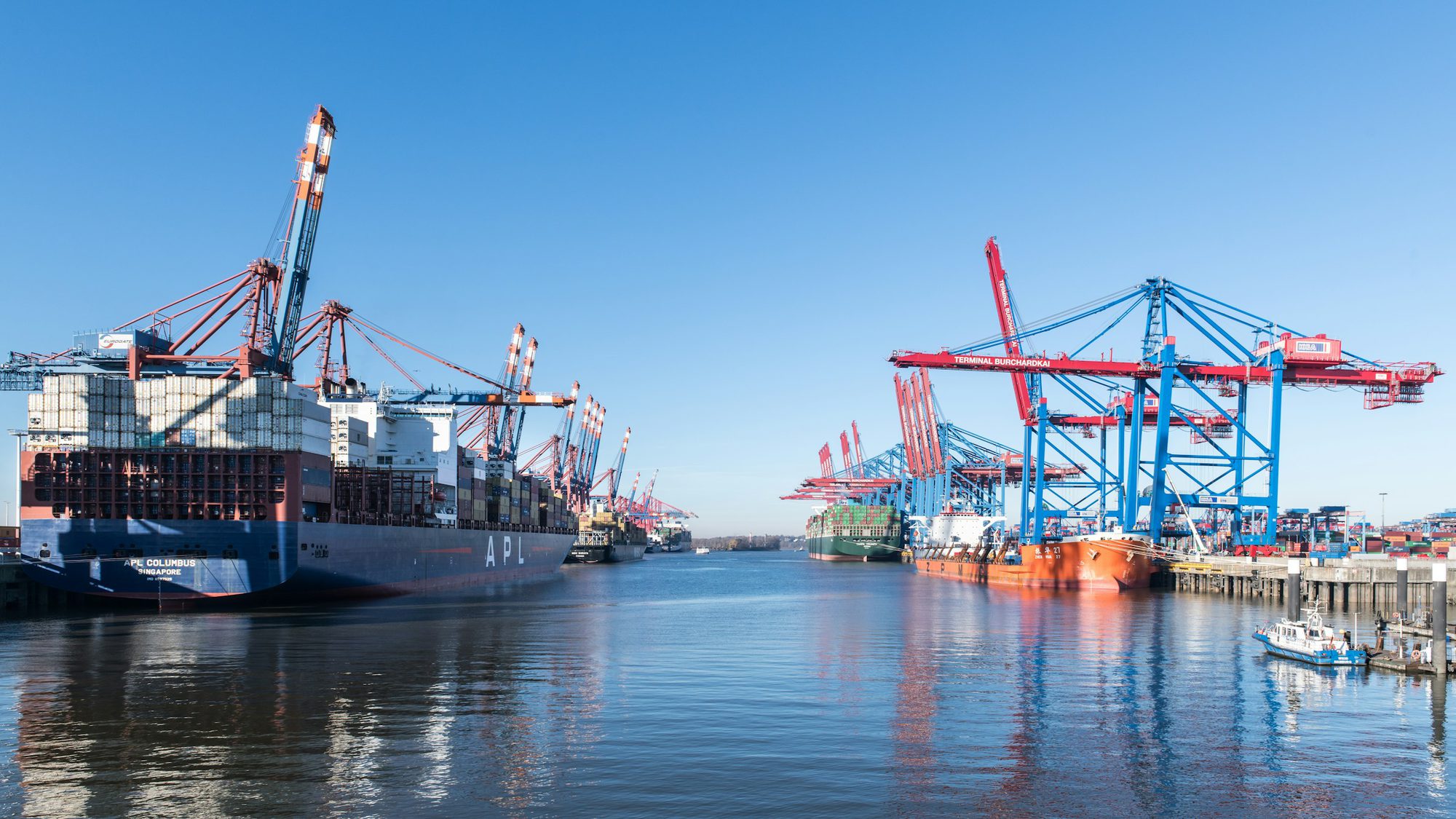
- Sea or air freight, and specifically the part of it that moves — surcharges, congestion, routing changes. The Commonwealth’s freight policy work exists because this is a national-scale variable, not a line item you can pencil in for the year and forget.
- Duty, customs brokerage and compliance handling at the border, performed by people you will never meet and will one day telephone urgently.
- Currency. A quote in USD is a bet on the exchange rate, renewed every shipment, whether or not you enjoy gambling. The RBA’s exchange rate series shows how enthusiastically that bet moves.
- Inventory carrying cost — money tied up on a ship, in a bond store, and in the safety buffer you hold because the ship exists.
- Minimum order quantities that require you to buy a year of demand in order to receive the price you were quoted.
- Quality cost — inspection on arrival, and the container you cannot economically send back and therefore will not.
- Obsolescence and write-off when the design changes while 40,000 of the previous version are somewhere near Singapore.
- Management overhead: time zones, translation, expediting, and the occasional flight booked in a tone of voice.
None of that makes offshore wrong. It makes the comparison harder than the quote implies. A moulder in Braeside and a moulder overseas are not really selling the same product: one is selling you parts, the other is selling you parts plus a supply chain that you operate personally, in your own time, forever.
What actually changed, and what stubbornly did not
Let us be careful here, because this is the paragraph where reshoring articles traditionally start inventing statistics. You know the ones — a confident percentage, no source, a chart with an arrow on it. Three things genuinely shifted. One thing refused to.
Freight stopped being a constant
For twenty years, sea freight behaved like a utility bill: dull, predictable, small enough to round off. It has since demonstrated, with some flair, that it is nothing of the sort. The point is not that freight is expensive — sometimes it is, sometimes it is not — it is that freight became volatile, and volatility is far harder to plan around than price. You can absorb a cost you know. You cannot build a budget on a number that changes direction faster than your pricing approvals do.
Automation pulled labour out of the equation
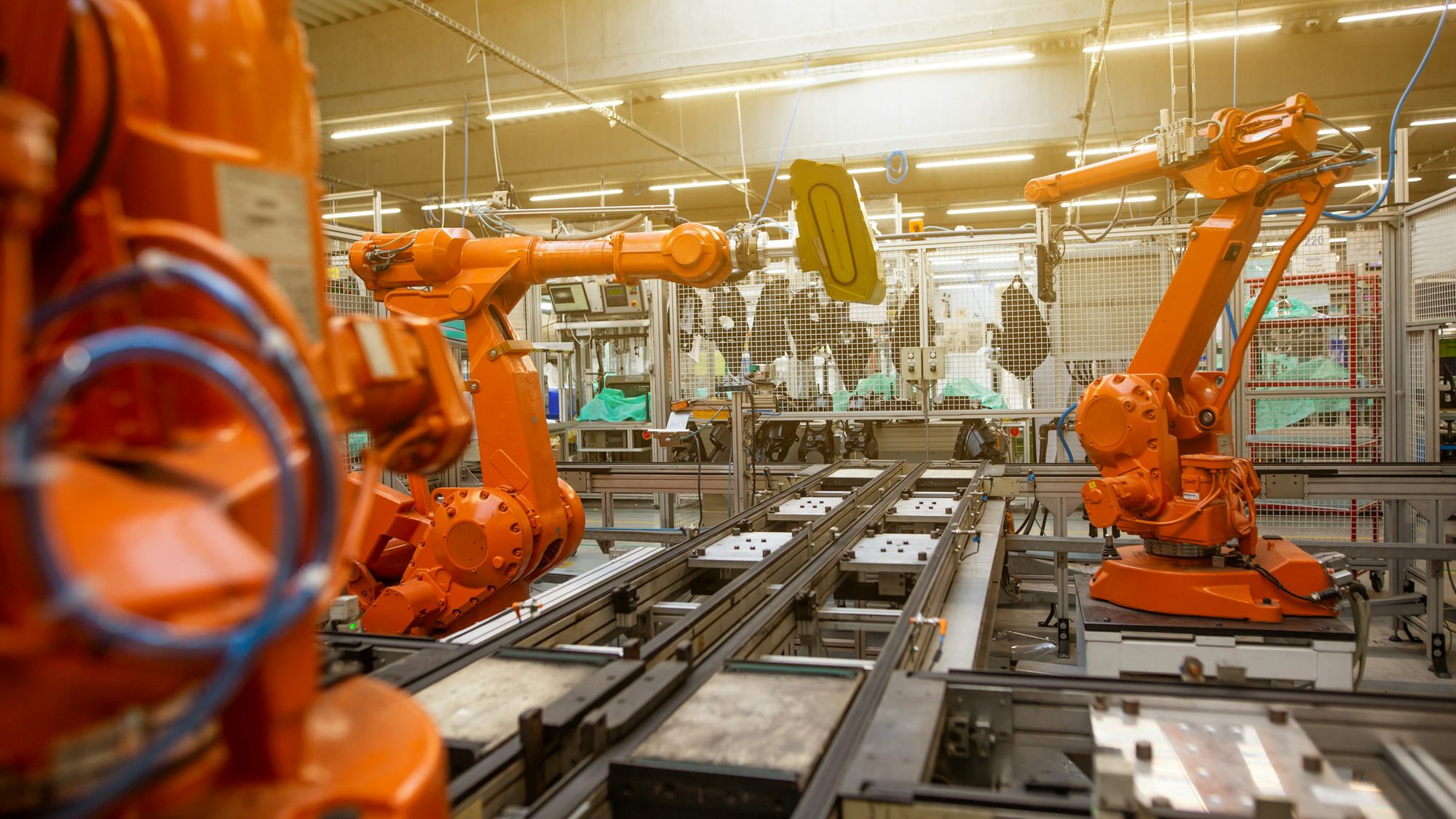
Injection moulding was always capital-intensive rather than labour-intensive — the process itself is a machine melting, injecting, holding and ejecting on a cycle measured in seconds. Add robot part removal, in-line inspection and automated packing and the labour content of a moulded part becomes small enough that a wage differential stops deciding anything. It is genuinely difficult to out-source your way around a machine that does not take lunch, does not have a commute, and has never once asked about the Christmas shutdown.
Supply-chain risk got a seat in the boardroom
Resilience used to be a word that lived in the appendix of a strategy deck, between the glossary and the photo of a handshake. It now appears in tender conditions, insurance reviews and board minutes, and Australian policy has followed: the National Reconstruction Fund and the programs listed on business.gov.au exist to put capital behind domestic manufacturing capability. Whether or not you ever apply for a dollar of it, it tells you which way the procurement wind is blowing.
What did not change: offshore is still cheaper per part
On unit price, at volume, for a settled design, an offshore moulder will usually still win. Anyone telling you otherwise is selling something, and it is probably injection moulding. The argument for injection moulding in Australia is not that the number got smaller. It is that the number was never the whole cost, and the gap between the quoted number and the real one got a great deal wider.
You do not buy a price. You buy a price and its variance.
A local quote is usually a little higher and a great deal narrower. For a business that has to commit to customer pricing, hold a delivery promise, or plan a working-capital position twelve months out, the width of that distribution is worth real money — and it appears on neither quote, in any font, anywhere.
Lead time, working capital and the cost of buying early
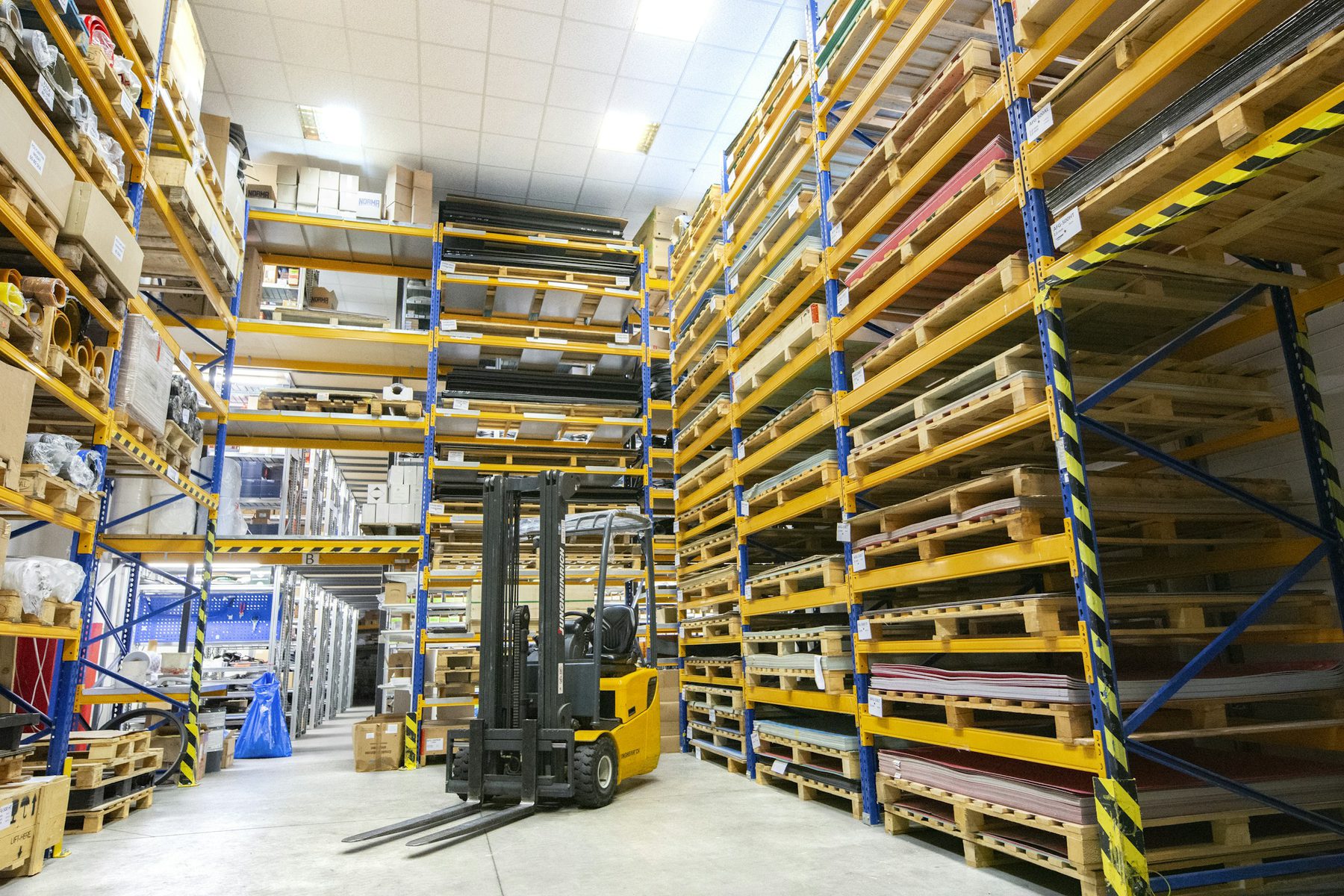
Here is the part that finance understands instantly and engineering occasionally has to have explained twice, slowly, with a diagram. An offshore part is not merely slower to arrive; it is paid for far sooner relative to when it earns. Production, ocean transit, port and customs, domestic distribution, then a safety buffer sized for all of the above going wrong simultaneously — and every one of those stages is your cash, sitting in a box, on a boat, doing nothing.
Three consequences follow, and they compound like a bad interest rate:
- Forecast error gets expensive. Ordering four to six months out means committing to a demand number you do not have yet. Every unit of error becomes either a stockout or a write-off, and you find out which one much, much later.
- Minimum order quantities amplify it. That attractive unit price usually assumes a quantity representing a meaningful slice of annual demand. You are not buying parts at that price. You are buying an opinion about next year.
- Design changes turn costly. Any change made while stock is in transit means running out the old version, scrapping it, or holding two versions and a spreadsheet. All three are worse than they sounded in the meeting where the change was approved in four minutes.
Nobody has ever regretted a short lead time at 4pm on a Friday.
A local moulder shortens the whole chain — and, more usefully, lets you order closer to demand in smaller, more frequent lots. For a product with seasonal demand, a short life cycle or an active engineering roadmap, that flexibility is frequently worth more than the per-part difference. For a mature commodity part shipping at steady volume, it may be worth almost nothing at all. Knowing which of those two you have is most of the work, and it is work nobody enjoys, which is why it usually gets skipped.
Who owns the tool?
An injection mould is a substantial capital asset, often the single largest line in a new product’s budget, and it lives on somebody’s floor. Whose floor turns out to matter enormously on the day you want to change supplier — which is, without fail, the worst possible day to begin finding out.
Questions worth answering before the tool is cut
- Who legally owns the tool, and does the contract actually say so, in writing, in a language you read?
- Where is it physically held, and can you go and look at it?
- On what notice can you take possession of it?
- Who holds the tool drawings, the CAD model and the maintenance history?
- Is it built to a standard another moulder can work with, and to a steel specification you can verify?
- Who pays for maintenance, and what is the agreed end-of-life shot count?
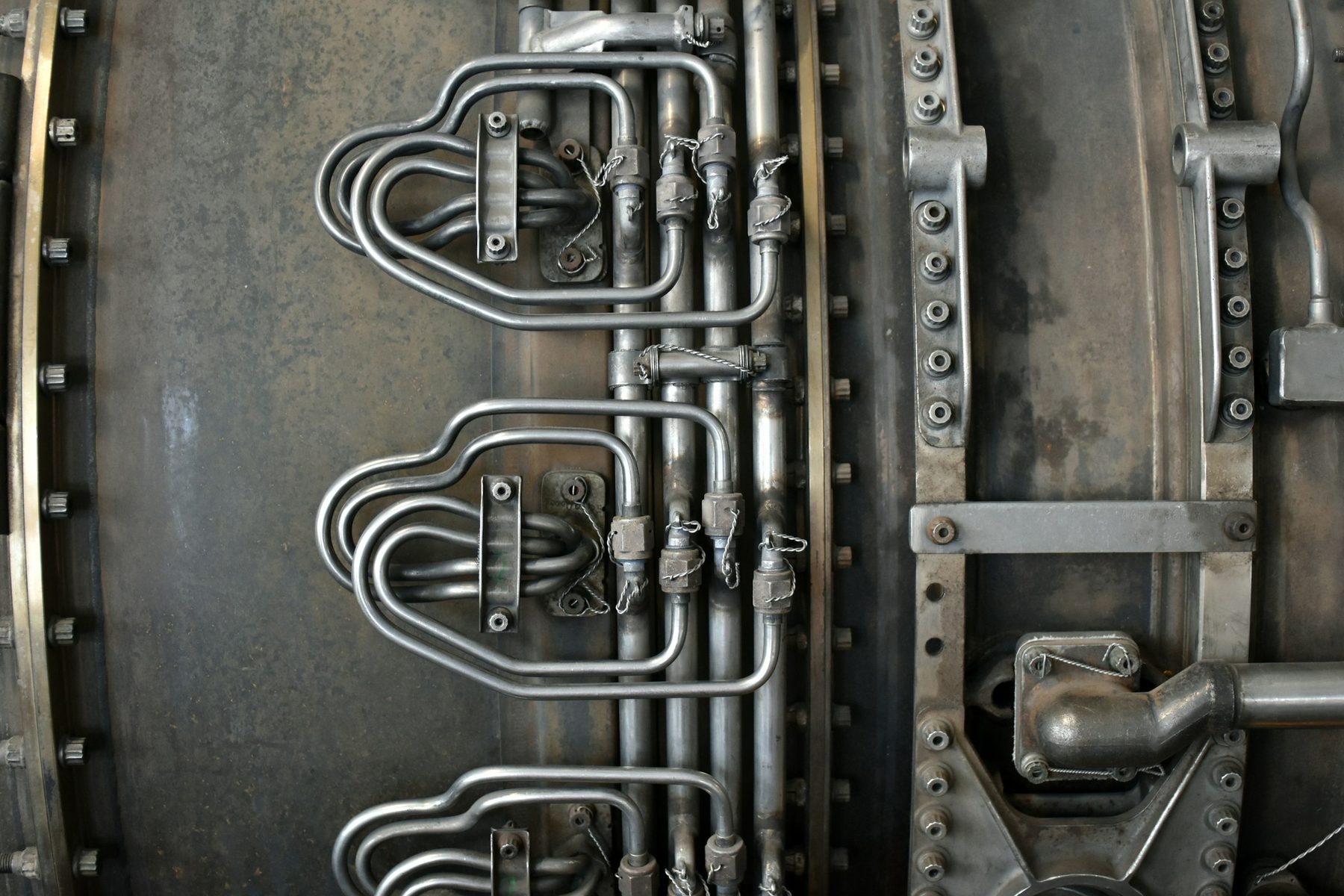
Local tooling is not automatically owned by you — this is a contract question, not a geography question, and geography has taken the blame for it for years. What proximity changes is leverage and speed. You can visit the tool. You can move it to another moulder in a day rather than a quarter. You can have a modification cut without an export approval, a freight booking and a fortnight in which nobody is entirely sure where your half-million-dollar block of steel currently is. If tooling IP matters strategically to your product, that shortens the list of things that can go spectacularly wrong. Our in-house tool design and sampling process exists largely to keep that list short.
Engineering change: the cost of distance nobody quotes
If there is one place where the offshore-versus-local gap opens up like a trapdoor, it is here — and it is the cost least likely to appear in any comparison, because it is paid in weeks rather than dollars, and weeks do not have a general ledger code.
A product designer changes a rib. Offshore, that is an email, a time-zone delay, a quote, an approval, a tool modification, sample parts, courier freight, an inspection, and — if the samples are not quite right — the entire loop again, with feeling. Locally, it is a phone call, a visit, and parts in your hand. Same change. Wildly different elapsed time. And elapsed time during development is the most expensive money there is, because it is spent in a currency you cannot borrow.
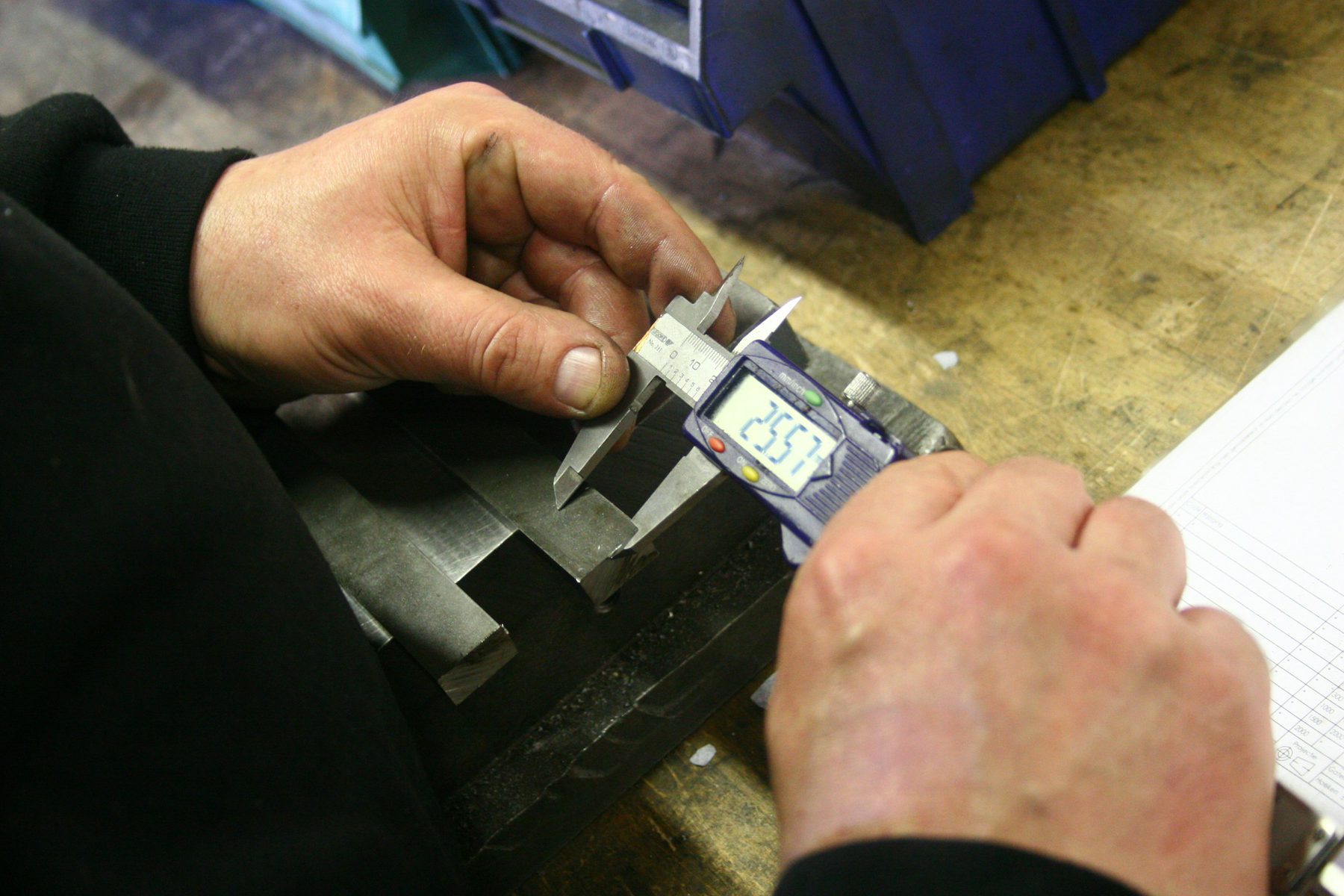
Which is why the honest version of the question is usually not “which is cheaper” but “how settled is this design, really?” A part that has not changed in five years barely notices distance. A part still in development, or one riding an active engineering roadmap, pays the distance penalty over and over, on a schedule nobody put in the business case because nobody wanted to be the one who said it out loud.
It also explains a pattern you see constantly in Australian manufacturing: companies bring the new program home and leave the legacy one exactly where it is. That is not indecision. That is a correct reading of where distance actually costs money, arrived at the expensive way.
Quality, compliance and the cost of a bad batch
Quality is not a question of geography. There are excellent moulders offshore and indifferent ones within twenty minutes of this office. What distance changes is the feedback loop and the remedy.
If a local batch is wrong, you find out in days, you can stand on the floor while the cause is diagnosed, and the parts can be replaced inside a normal production cycle. If a container is wrong, you find out on arrival, the cause is investigated remotely, and the commercial remedy — returning, reworking or writing off a sea container of parts — is often uneconomic before you begin. The defect rate may be identical. The consequence is not.
Compliance is the other half, and this part is not a joke:
- Country-of-origin claims are regulated. “Made in Australia” and “Australian made” have legal meanings, and the ACCC’s country of origin guidance sets out what must be true before you use them.
- Standards need to be specified, not assumed. Where a test method or material standard belongs in a specification, source it from Standards Australia rather than from a supplier’s datasheet.
- Traceability is a contract term. Batch records, material certificates and change notification have to be written into the agreement to be reliable, wherever the parts are moulded.
- Audit access is a real cost. Auditing a local supplier is a morning. Auditing an overseas one is a trip, or a third party you are trusting on someone else’s behalf.
For regulated, safety-critical or government-supplied products, this section frequently decides the question on its own, before cost enters the room.
How local plastic manufacturing in Australia got competitive again
The reasonable question at this point is how an Australian plastic manufacturer can be anywhere near competitive when the wage differential has not moved in the right direction and shows no intention of starting. The answer is that on a modern moulding cell, wages are simply not where the cost lives.
What changed on the floor
- Robot part removal and automated packing, so a cell runs with supervision rather than an operator per machine.
- In-line inspection and process monitoring, catching drift during the run instead of during the apology.
- Faster tool changes, which make short, frequent runs economic rather than something to be dreaded and postponed.
- Energy-efficient all-electric and hybrid machines, taking a bite out of the other large input cost.
- Assembly, decoration and packing moved into the same building, deleting a set of handling steps entirely.
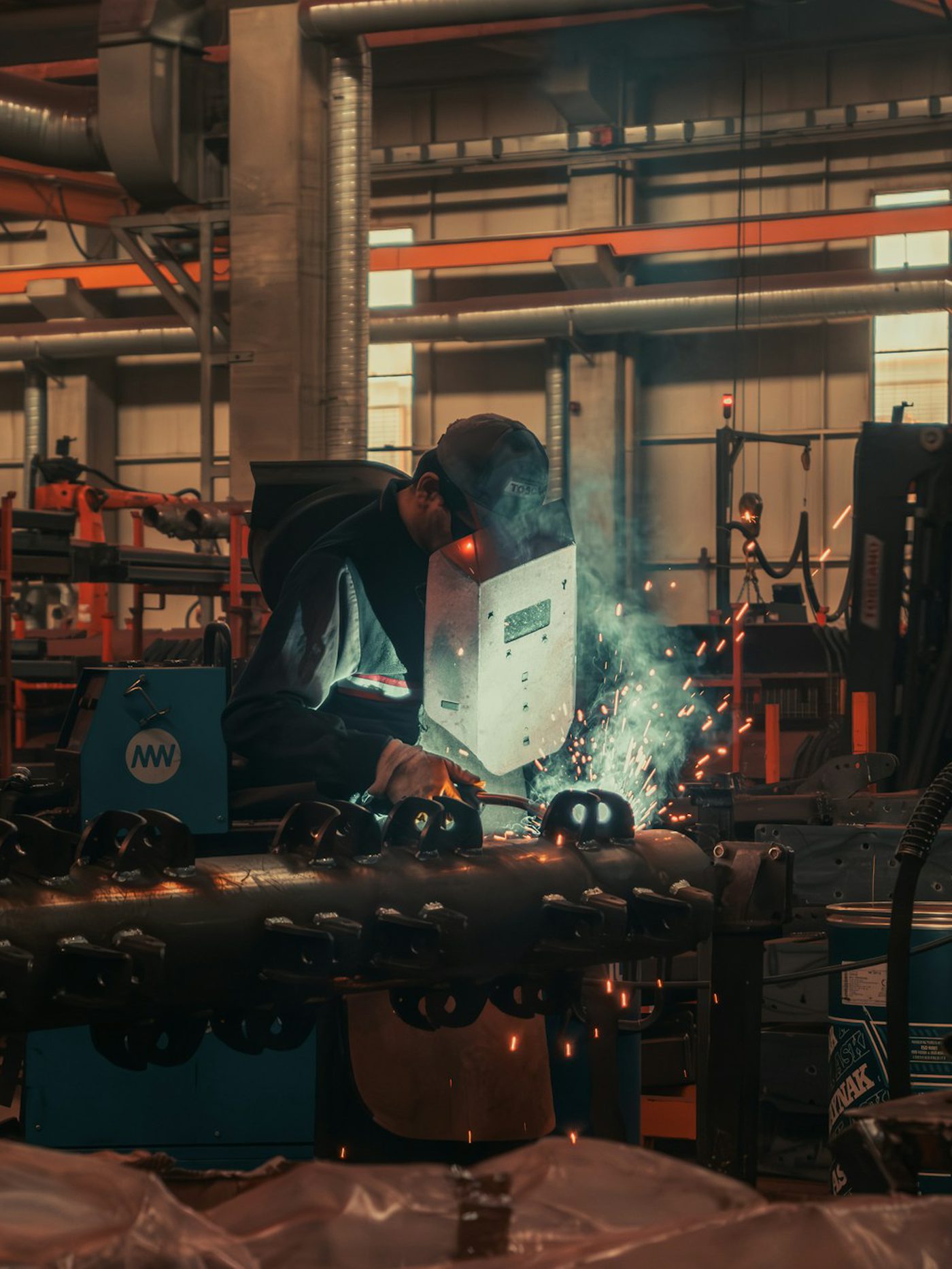
The skills question follows the same logic. A modern plastic manufacturing operation in Melbourne does not need many machine minders; it needs process engineers, toolmakers and technicians. That is a harder hiring problem and a substantially better business, and it is the shape of manufacturing that the ABS industry statistics and the Productivity Commission’s work both keep pointing at: fewer people, more capability per person, more value per part.
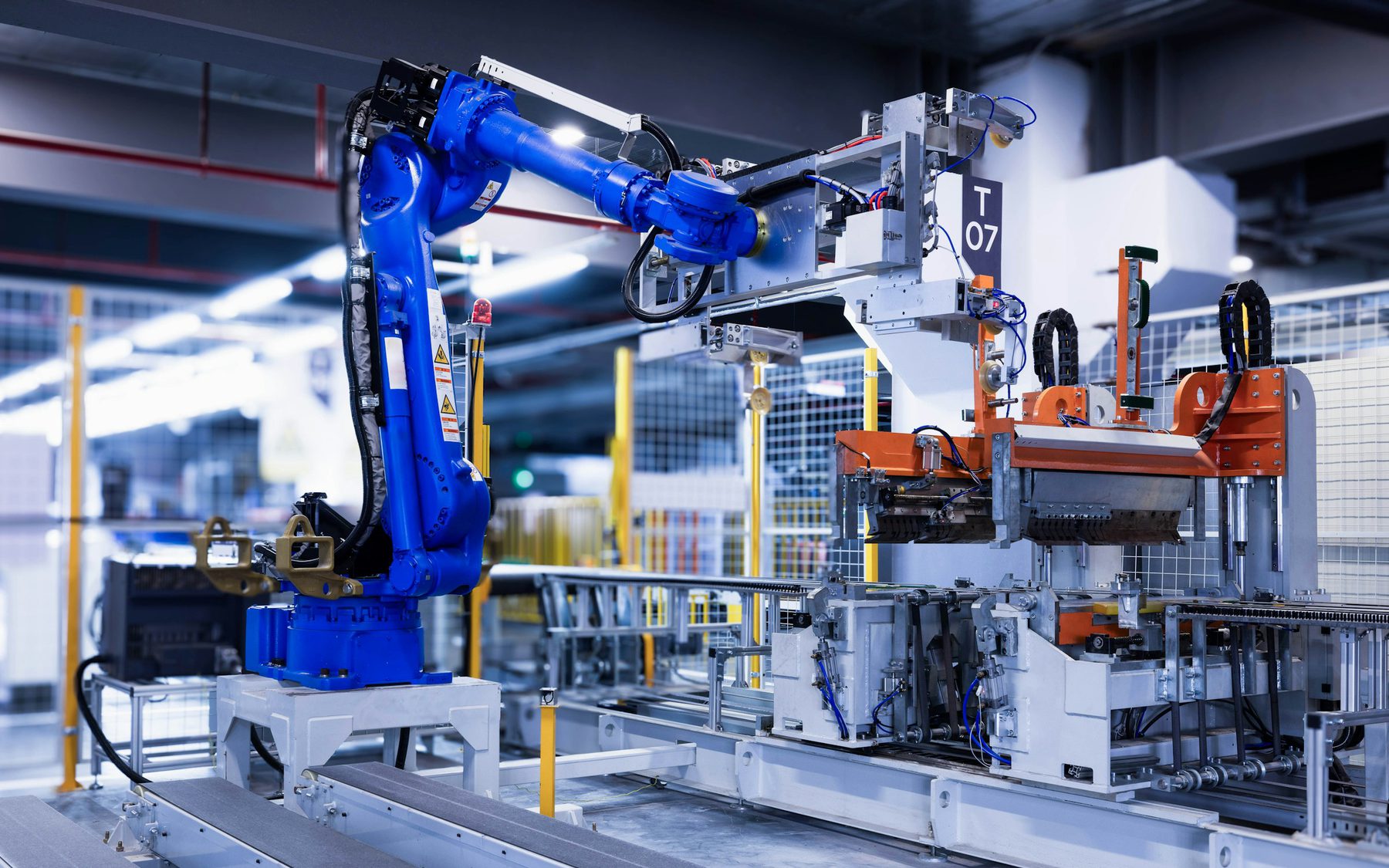
When offshore is still the right call
This section is deliberately not an argument. If your part looks like the list on the left, moving it to Melbourne will most likely cost you money for no corresponding benefit — and a local moulder worth working with will tell you exactly that, before you have paid them anything.
Offshore is likely still right
- Very high volume with a settled, unchanging design
- Cost-dominant commodity parts where unit price genuinely is the decision
- Mature tooling already amortised and performing offshore
- Products with little or no engineering change traffic
- Long, stable demand that is straightforward to forecast
- Assemblies where the rest of the bill of materials is already sourced in the same region
- Programs where an existing supplier relationship is working and well managed
Local is likely to win
- Parts still in development or subject to regular change
- Short lead time, seasonal demand or volatile forecasts
- Lower and medium volumes where offshore MOQs distort the price
- Products carrying Australian-made or origin-based claims
- Regulated, safety-critical or government-supplied parts
- Programs where tooling IP or design confidentiality is strategic
- Parts needing assembly, decoration or kitting close to the customer
Two honest cautions about moving work home. Bringing a program back is a project, not a purchase order: new tooling or tool transfer, requalification, first-article inspection, and a transition period running both sources. And the domestic supplier base is smaller, so on some specialised processes the local option is genuinely narrower. Both are manageable. Neither is free. A business case that omits them is not a business case.
The comparison, factor by factor
Deliberately no dollar figures below. Anyone publishing a landed-cost percentage for “a typical part” is describing a part that does not exist and has never existed. What is stable enough to generalise is the shape of the trade-off, so put your own numbers into the factors that matter for your program:
| Factor | Offshore | Local (Melbourne) |
|---|---|---|
| Quoted unit price | Usually lower, especially at volume | Usually higher per part |
| Landed cost | Freight, duty, currency, inventory and handling added on top | Fewer components, and most of them domestic and known |
| Cost predictability | Exposed to freight, currency and routing volatility | Narrow distribution; quoted in AUD |
| Lead time | Long, with cash committed well ahead of demand | Short, supporting smaller and more frequent lots |
| Minimum order quantity | Often high — the price assumes the quantity | Typically lower and more negotiable |
| Working capital | High: stock in transit plus a safety buffer | Lower: order closer to actual demand |
| Engineering change | Each iteration costs weeks of elapsed time | Days; visit the tool, hold the parts |
| Tooling access | Contractual, but slow and costly to exercise | Contractual, and practical to exercise |
| Quality feedback loop | Discovered on arrival; remedy often uneconomic | Discovered fast; replacement inside a normal cycle |
| Audit and compliance | Travel, or a third party you are trusting remotely | A morning on site |
| Origin claims | Not available for Australian-made claims | Supports origin claims, subject to ACCC rules |
| Supply risk | Concentrated in a long chain with several single points | Shorter chain, fewer handoffs |
| Best suited to | High-volume, settled, cost-dominant parts | Changing, regulated, time-sensitive or lower-volume parts |
Most manufacturers do not choose a side. They choose a split.
The programs that work tend to keep the settled, high-volume, cost-dominant parts where they are, bring the changing and the time-sensitive ones home, and hold a qualified local source for the parts that would otherwise stop the line. That is not a compromise. That is a portfolio.
The dual-source model most manufacturers land on
Very few businesses reshore everything, and the ones that try generally discover halfway through that they have taken on a transition project the size of a product launch, with none of the fun parts. What works far more often is unglamorous segmentation of the part list — deciding, part by part, which ones belong with an Australian plastic manufacturer and which ones genuinely do not.
- Segment by behaviour, not by category. Split parts by how much they change, how fast they are needed and how much a stockout costs — not by which product they happen to belong to.
- Bring the volatile parts home. Anything with an active engineering roadmap, a short shelf life or demand that behaves like weather.
- Leave the settled parts where they are. If it has not changed in years and ships at steady volume, moving it is a cost in search of a benefit.
- Dual-source the line stoppers. For parts where an outage halts production, a qualified second source at low volume is cheap insurance — and it only works if it is already qualified, not theoretically qualifiable at short notice on a public holiday.
- Bring new development home first. The easiest reshoring decision is the one where no tool exists yet, because there is nothing to transfer and nothing to requalify.
If sustainability targets are also in play, the two decisions interact: recycled feedstock is far easier to specify, verify and hold steady through a short supply chain than a long one. We worked through that side of it in our guide to recycled plastics in injection moulding, which is worth reading alongside this one if recycled content is anywhere on your brief.
How to run the comparison properly
Print this out, or do not — but do all eight. Seven out of eight is how you end up with a very confident answer to the wrong question.
- Build a landed-cost model, not a price comparison. Freight, duty, brokerage, currency, inventory carrying cost, quality cost, obsolescence, management time. If a line is hard to estimate, estimate it badly rather than omitting it — zero is the most wrong number available.
- Price the working capital. Multiply the cash tied up in transit and safety stock by your actual cost of capital. For many businesses this single line closes a surprising share of the gap.
- Count the change traffic. How many engineering changes has this part had in three years? Multiply by the elapsed cost of an offshore iteration. This is the number most often missing, and the one that most often flips the answer.
- Stress-test the downside. Model a freight spike, an adverse currency move and a four-week delay — together, not politely one at a time. Robustness is what you are actually buying.
- Value the flexibility explicitly. What is it worth to order monthly instead of quarterly? To change a design mid-year? To answer a customer in two weeks? Put a number on it. An arguable number beats an implied zero every time.
- Include the transition cost. Tool transfer or new tooling, requalification, first-article inspection, dual running. Reshoring is a project, and projects have costs even when everyone is enthusiastic.
- Check the compliance requirements first. Origin claims, standards and audit obligations can decide the whole question before cost is discussed at all, and they are the first thing any serious contract manufacturing partner in Melbourne will ask you about.
- Quote both properly. Give the local moulder the same drawings, volumes, tolerances and annual commitment you gave the offshore one. A rushed local quote against a carefully negotiated offshore one is not a comparison, it is a formality. We would rather be quoted properly and lose than win on a misunderstanding.
Choosing an injection moulding supplier in Melbourne
Melbourne’s south-east has been the centre of Victorian plastics manufacturing for decades, which is why so much of the country’s plastic injection moulding Melbourne capacity still sits within a few postcodes of each other. The practical advantage of contract manufacturing in Melbourne is not sentiment. It is that the moulder, the toolmaker, the material supplier and quite often the customer are all within an hour of each other, traffic permitting, which it will not. Problems that would otherwise consume a fortnight of correspondence get solved by three people standing in front of a machine, pointing.
What to ask any injection moulding supplier in Melbourne before you commit:
- What clamp force range do you run, and where would my part sit inside it?
- Is tool design in-house, and who owns the tool and its drawings?
- How many pre-production sample stages before I approve production?
- What happens when a dimension drifts mid-run — who finds it, and how fast?
- Can you handle assembly, decoration, packing and logistics, or do I coordinate all that myself?
- What are your realistic lead times at my volumes, and your minimum order quantity?
- Can I come and walk the floor, and see a tool like mine actually running?
Perroplas has moulded in Braeside for more than three decades, which means we have been wrong about enough things to be useful about most of them. Our moulding capability runs from 100 to 1,800 ton clamp force, with in-house tool design and a tooling network, three pre-production sample stages before anything reaches production, and assembly, packaging and logistics in the same operation. You can look through the kinds of parts we have taken to production, read how we think about consistency of supply — which is this entire article, condensed into one page — or start from the beginning with what we do as a plastic injection moulding company in Melbourne.
Frequently asked questions
Is injection moulding in Australia more expensive than offshore?
On quoted unit price, usually yes. On landed cost — freight, duty, currency, inventory carrying cost, quality cost and management time — the gap narrows considerably, and for lower volumes, changing designs or parts with high offshore minimum order quantities it can close entirely. The comparison is only meaningful once both sides are costed the same way.
How long does it take to move a moulding program back to Australia?
It depends almost entirely on the tooling. If an existing tool can be transferred and is in good condition, the work is transport, inspection, trialling and requalification. If a new tool is required, the timeline is a normal tooling program plus sampling and approval. Either way, plan for a period of running both sources rather than switching on a single date.
Can an existing offshore tool be used by a local moulder?
Often, yes — subject to who owns it, whether it can be released, its condition and shot history, and whether it fits an available machine. The practical steps are to confirm ownership in writing, obtain the tool drawings and maintenance records, and have the receiving moulder inspect and trial it before committing to a switchover date.
Does local manufacturing mean I can say “Made in Australia”?
Not automatically. Country-of-origin claims are regulated under Australian consumer law, and the tests relate to where the goods were substantially transformed and where production costs were incurred — not simply to where the last operation happened. Check the ACCC’s country of origin guidance against your specific bill of materials before making the claim.
What volumes make local injection moulding viable?
There is no single threshold, because the deciding factors are usually minimum order quantity, change frequency and lead-time sensitivity rather than annual volume alone. Lower and medium volumes tend to favour local, because offshore pricing typically assumes an order quantity that may represent a large share of your annual demand.
Where can I get plastic injection moulding in Melbourne?
Perroplas moulds in Braeside, Victoria, with machines from 100 to 1,800 ton clamp force, in-house tool design, and assembly and logistics alongside the moulding. If you are comparing an offshore quote against a local one, send us the drawings and the volumes and we will quote it properly, so that the comparison is a fair one.
Get a local quote worth comparing
Send us the part drawings, your annual volumes, and your current landed cost if you have it. We will quote the moulding, tell you where we are genuinely competitive and where we are not, and say so plainly if your part is one that should stay exactly where it is.
More from Perroplas: plastic injection moulding in Braeside · capabilities · design and tooling process · products · recycled plastics in injection moulding · all articles · contact.
Photography: Unsplash, used under the Unsplash License. Images are illustrative of manufacturing, freight and logistics generally and do not depict the Perroplas factory. This article is general information for procurement and engineering teams; sourcing decisions should be modelled on your own volumes, costs and obligations before they are made.